Move-In Cleaning for a New Apartment: What Actually Needs Washing
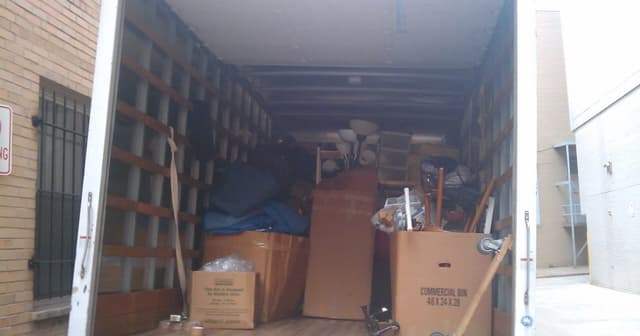
Before you move boxes into a new apartment, certain surfaces need cleaning regardless of how 'new' or 'freshly renovated' it looks. Here's exactly what to check and why.
Why a "New" Apartment Still Needs a Full Clean
Whether you're moving into a freshly renovated flat, a resale apartment the previous owners left "clean," or a brand-new building handed over by the developer, the surfaces are almost never as ready as they look. Construction dust settles into places you won't notice until you've already unpacked around it. Previous tenants' cleaning routines rarely match your standards. And developers hand over units with protective films, adhesive residue, and fine dust from drilling and sanding still coating every horizontal surface.
Cleaning before you move furniture in — not after — is the only time you'll have unobstructed access to walls, floors, windows, and the insides of cabinets. Once the sofa is in place, that corner behind it stays untouched for months.
Start With Dust, Not Surfaces
If the apartment was recently renovated, skip straight to detail cleaning and start with dust removal — wiping visible surfaces first just pushes fine dust around and you'll redo it. The order matters:
- Ceilings and upper wall corners — cobwebs and construction dust collect here first and get disturbed by any later cleaning, so do this before anything else.
- Light fixtures and ceiling fans — dust settles on the top of every fixture during drilling and sanding.
- Walls, especially near outlets, switches, and baseboards — these trap the most dust from sanding.
- Window frames, sills, and tracks — builder's dust and silicone residue collect in the tracks and are easy to miss.
- Floors last, and only once — vacuum first to lift grit, then wet-mop, otherwise you're just moving dust from walls onto a floor you already cleaned.
Kitchen: The Area Previous Owners Skip Most
Kitchens look clean on the surface but hide the most neglected spots. Check and clean:
- Inside every cabinet and drawer — shelf liner dust, crumbs, and sometimes leftover items from the previous owner.
- Behind and under the stove and refrigerator, if they're staying with the unit — this area is almost never cleaned before handover.
- Inside the oven — factory protective coating or old grease residue needs a proper degrease before first use.
- Range hood filter — grease buildup here is a fire risk and is routinely ignored by sellers.
- Sink, faucet, and the cabinet underneath it — check for leaks and mineral buildup while you're at it.
- Countertops and backsplash — look closely under good light; thin grease film is easy to miss until you touch it.
Bathroom: Check Before You Trust It
Bathrooms carry hygiene risk that other rooms don't, so this is not the room to shortcut:
- Grout lines in tile — mold and soap scum build up here even in recently renovated bathrooms if ventilation was poor during drying.
- Inside and behind the toilet base, and the tank lid — frequently skipped during a quick pre-sale wipe-down.
- Shower door tracks and silicone seals — check for early mold; if it's already there, it needs treatment before you start using the shower daily.
- Exhaust fan grille — dust buildup here reduces ventilation effectiveness, which matters for mold prevention going forward.
- Inside cabinets and under the sink — check for moisture damage or leaks left unaddressed.
Windows and Balcony
Windows are one of the most commonly postponed tasks, because they require more effort and aren't urgent for daily living. But doing them before furniture is in place means you can open them fully, access every corner, and not worry about splashing anything nearby.
- Glass, inside and out if accessible safely.
- Frames and rubber seals — mold spores collect in seals, especially on north-facing units.
- Sills, inside and outside.
- Balcony floor and railing, and the balcony door track — construction debris collects here and is often left by builders entirely.
Floors, Baseboards, and Often-Missed Corners
Floor type changes what "clean" means:
- Laminate or vinyl — vacuum then damp-mop with minimal water; standing water damages seams.
- Tile — scrub grout separately from the tile surface itself; grout holds dust that a quick mop won't lift.
- Carpet, if present — a proper vacuum pass isn't enough after renovation; fine dust settles deep into fibers and needs a deeper clean or professional treatment.
Also check: baseboards (dust accumulates along the top edge), door frames and the tops of doors, closet interiors and shelving, and radiator surfaces — all commonly skipped in a standard quick wipe-down.
Hardware, Switches, and High-Touch Surfaces
These are small but matter for your first weeks living there:
- Light switches and outlet covers — handled constantly but rarely cleaned by sellers.
- Door handles on every door, interior and entry.
- Cabinet handles throughout kitchen and bathroom.
- Intercom or entry panel, if inside the unit.
A Simple Pre-Move Checklist
Before boxes arrive, walk through with this order:
- Ceilings, light fixtures, upper corners.
- Walls, switches, outlets.
- Kitchen cabinets, appliances, countertops.
- Bathroom fixtures, grout, exhaust fan.
- Windows, sills, balcony.
- Floors and baseboards, done last.
Doing it in this order avoids re-cleaning the same surface twice, which is the most common time-waster in a move-in clean.
How long does a move-in clean usually take?
For a standard one- or two-bedroom apartment, a thorough clean typically takes several hours when done properly, longer if the unit was recently renovated and still has construction dust. Studios go faster; larger apartments with multiple bathrooms take proportionally longer.
Should I clean before or after the movers bring furniture?
Before, whenever possible. Once furniture, boxes, and appliances are in place, you lose access to corners, behind-appliance areas, and full wall surfaces. Even a quick clean beforehand is more effective than a thorough one done around furniture.
Do new-build apartments need the same level of cleaning as resale ones?
Often more. New-build units go through a drilling, sanding, and painting process right up until handover, and developers' finishing crews typically do a basic wipe-down at best. Fine construction dust tends to be heavier in brand-new units than in resale apartments that have been lived in and cleaned over time.
What if the previous tenants left the apartment visibly dirty?
Treat it as a full deep clean rather than a touch-up — grease buildup in kitchens and mold in bathrooms take more time and sometimes stronger products than a standard clean, so budget extra time or bring in help rather than trying to rush it in an evening.
Let CleanWhale Handle the Move-In Clean
Going through every cabinet, window track, and grout line yourself takes an entire day you probably don't have before a move. CleanWhale's cleaning teams in Vilnius handle move-in and post-renovation cleaning regularly, with the order and detail work described above built into the service. Pricing is calculated per order based on your apartment's size and condition, not a flat rate, so you only pay for what the job actually needs.
Book an apartment cleaning in Vilnius and move into a space that's actually ready for your furniture, not just your eyes.
CleanWhale —Your Trusted Home Helper















We work in 15 countries,
848 cities