Cleaning Products You Should Never Mix Together
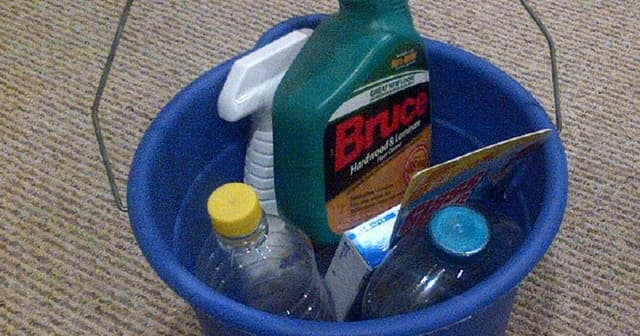
Why mixing cleaning products is riskier than it looks
Most people reach for two or three cleaners at once thinking it'll clean faster — a splash of bleach here, a squirt of glass cleaner there, maybe some vinegar to finish. The problem is that household cleaning chemicals are formulated to react with dirt and grease, not with each other. When certain active ingredients combine, they don't just cancel out — they can produce gases that irritate your lungs, eyes, and skin, sometimes seriously enough to need medical attention. This happens in ordinary apartments in Vilnius just as easily as anywhere else, usually in small, poorly ventilated spaces like bathrooms.
Combinations to never mix
- Bleach + ammonia — Found in some glass cleaners and multi-surface sprays. This combination produces chloramine vapors, which cause coughing, chest pain, and shortness of breath even in small amounts.
- Bleach + vinegar (or any acid) — Releases chlorine gas. Even a mild acidic cleaner, like a descaler or limescale remover, can trigger this reaction with bleach residue left on a surface.
- Bleach + rubbing alcohol — Creates chloroform and other chlorinated compounds. Not flammable in the way alcohol alone is, but the fumes are toxic and can cause dizziness or loss of consciousness in enclosed spaces.
- Hydrogen peroxide + vinegar — Together they form peracetic acid, which is corrosive to skin, eyes, and respiratory tissue, even though each one alone is considered relatively mild.
- Different drain cleaners — Combining two drain-unclogging products (especially ones with different active bases — acidic versus alkaline) can cause a violent exothermic reaction, sometimes enough to crack pipes or splash caustic liquid back out of the drain.
- Baking soda + vinegar — Not toxic, but worth knowing: this reaction mostly just produces water, carbon dioxide, and sodium acetate. It fizzes impressively but has very little actual cleaning power once the reaction is done, so it's not dangerous — just not useful as a cleaning method despite its popularity online.
How to avoid accidental mixing
- Rinse a surface thoroughly with plain water and let it dry before switching to a different type of cleaner, especially after using bleach.
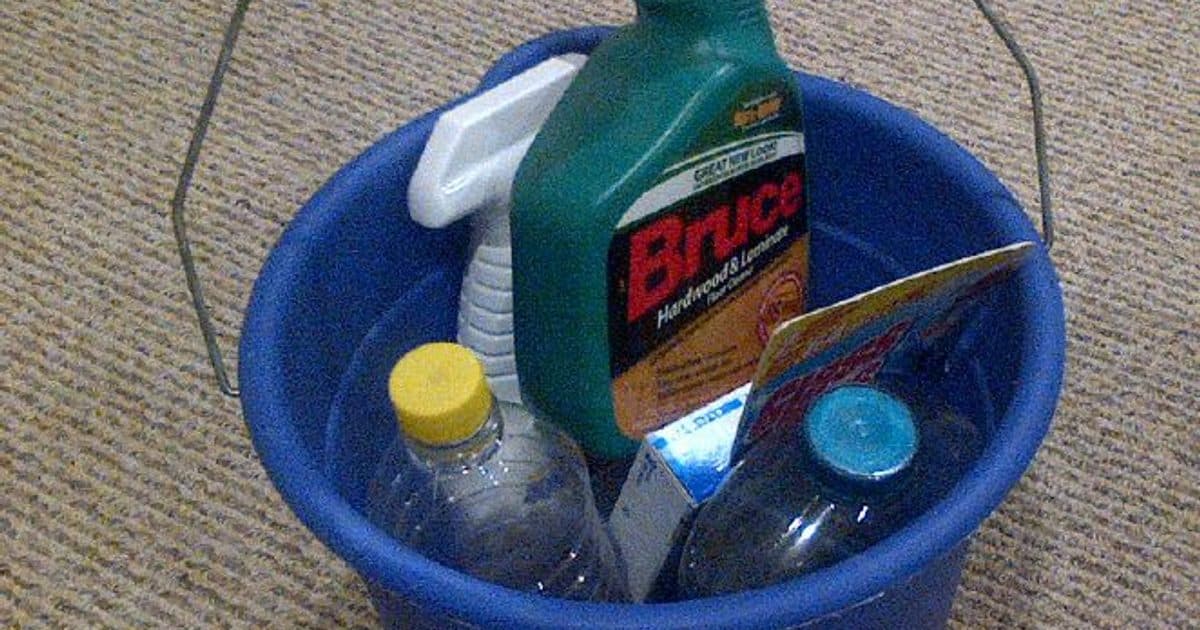
- Never store bleach and ammonia-based products next to each other under the sink — a leak or spill can mix them without you touching anything.
- Read labels for the words "chlorine," "hypochlorite," or "ammonia" before combining any two products, even if they're from the same brand.
- Stick to one active cleaner per task. If a stain doesn't come out, wait and rinse rather than layering a second product on top.
- Keep windows open or run an extractor fan in bathrooms and kitchens whenever you're using bleach, descalers, or oven cleaners — ventilation is your best defense even if you're careful about not mixing.
- If you ever smell a sharp, chemical odor after combining cleaners, leave the room immediately and ventilate before going back in.
Safer alternatives for eco-conscious cleaning
If the goal is a greener routine, it helps to simplify rather than combine. A basic kit of castile soap, plain white vinegar (used alone, not mixed with bleach), and microfiber cloths handles the majority of household surfaces without chemical risk. Baking soda works well as a gentle abrasive on its own — for scrubbing, not as a reactive partner to vinegar. For disinfecting, isopropyl alcohol at 70% concentration is effective by itself and doesn't need to be paired with anything else.
Wrap-up
The safest rule is the simplest one: use one product at a time, rinse between them, and keep bleach away from everything else, including itself if it's an old, degraded bottle. Most dangerous reactions happen because someone was trying to boost cleaning power, not because of a rare accident — so slowing down and sticking to single products per task is really the whole solution.
If sorting out which products are safe to use where feels like one more thing on your plate, CleanWhale's cleaners in Vilnius already know which combinations to avoid and bring the right products for each surface. Book a session through Apartment cleaning and skip the guesswork entirely.

CleanWhale —Your Trusted Home Helper




We work in 15 countries,
848 cities