How to Wash Laminate Floors Without Leaving Streaks
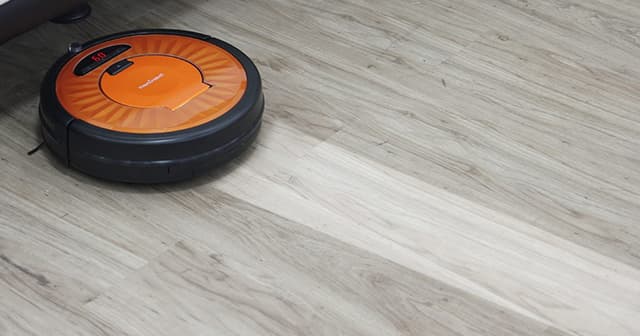
Why Laminate Floors End Up Streaky
Laminate looks like wood but behaves more like a sealed sheet of pressed material — and that's exactly why streaks happen so easily. Too much water, the wrong detergent, or a mop that's not wrung out properly all leave a thin film on the surface. Once that film dries, it catches light unevenly and shows every pass of the mop. If you've ever washed your floor and stepped back to see faint lines or a cloudy haze, the fix isn't a different floor cleaner — it's a different technique.
Get the Water Amount Right
Laminate panels have a protective top layer, but water can still seep into the seams between boards and cause swelling over time. The goal is to clean with as little moisture as possible.
- Use a microfiber flat mop, not a string mop — it holds less water and releases it more evenly.
- Wring the mop until it feels almost dry to the touch, not damp.
- Never pour water directly onto the floor.
- Work in small sections (2-3 square meters) so the water doesn't sit long enough to leave marks.
Choose the Right Cleaning Solution
Streaks are often a residue problem, not a dirt problem. Soap-based cleaners, all-purpose sprays with heavy surfactants, or too much product in general will leave a sticky layer that dust clings to later.
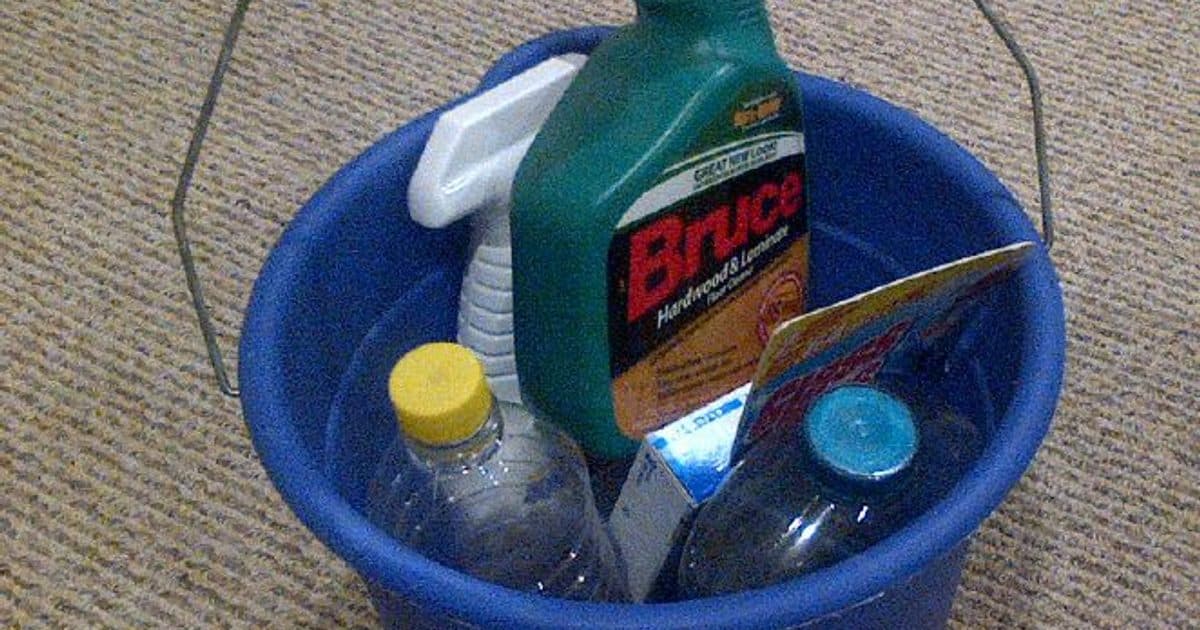
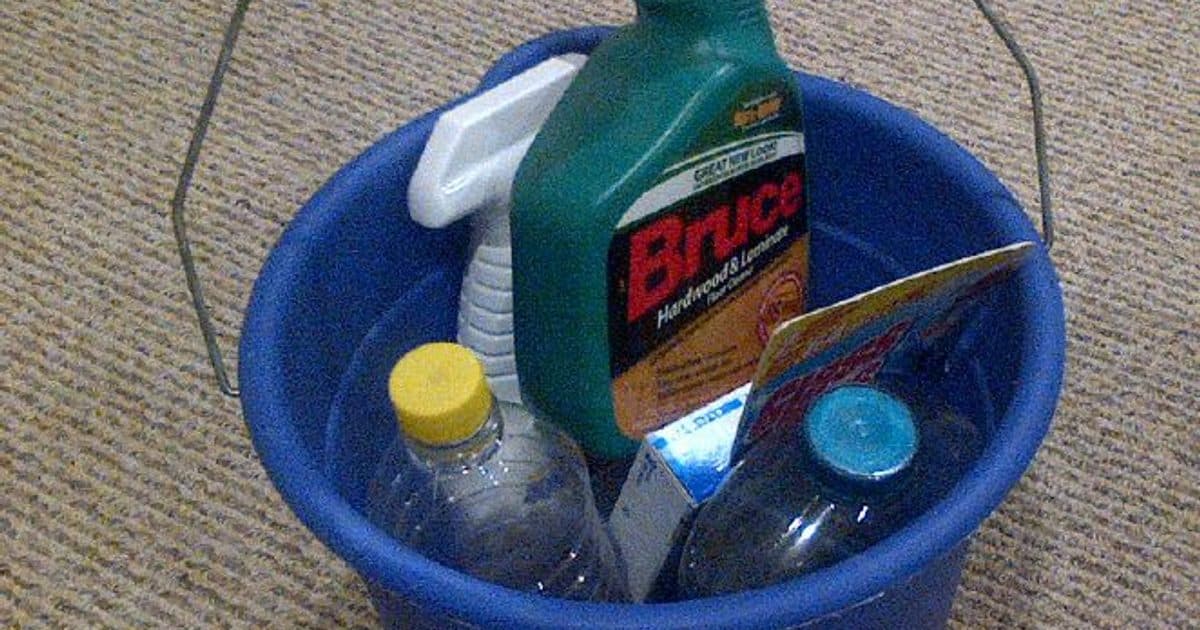
- Use a cleaner specifically labeled for laminate or hard floors — these are formulated to evaporate without residue.
- If using a DIY mix, a few drops of white vinegar in warm water works well, but don't overdo the vinegar — it can dull the finish if used too often or too concentrated.
- Avoid oil soaps, wax-based products, and anything marketed for natural wood — laminate doesn't absorb or need them, and they sit on top as a filmy layer.
- Skip fabric softener or "shine" additives some people add to mop water — they're a common hidden cause of streaking.
The Mopping Technique That Prevents Lines
How you move the mop matters as much as what's in the bucket.
- Dry-dust or vacuum first. Mopping over grit just drags dirt around and creates fine scratch-lines that look like streaks under light.
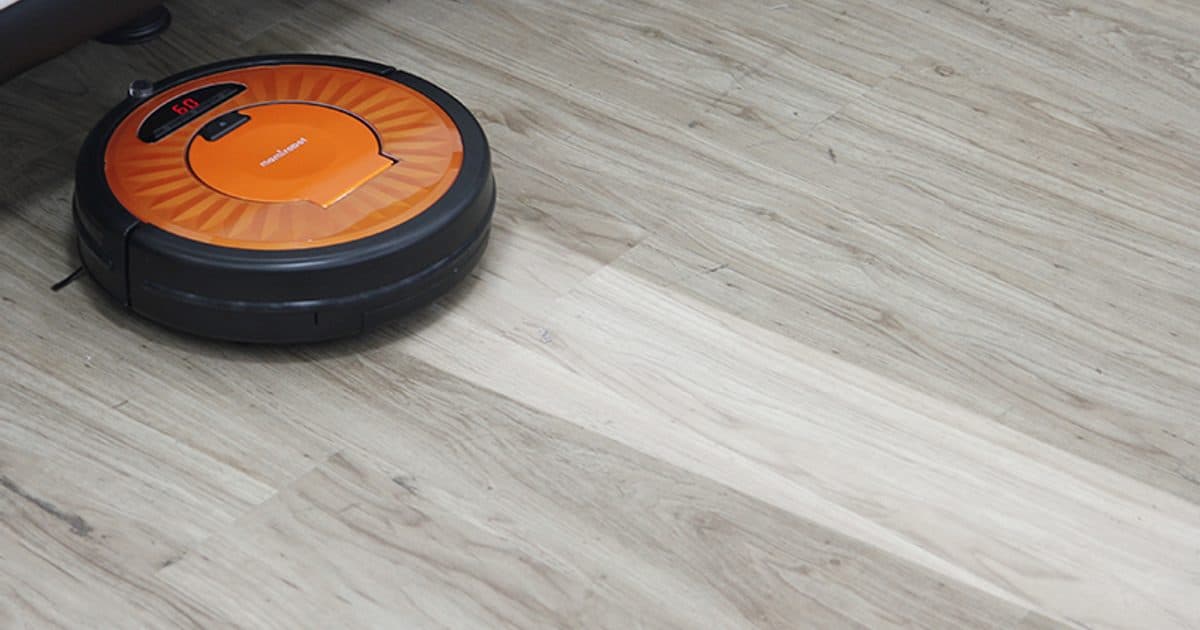
- Mop in the direction of the laminate planks, not across them. Going against the grain makes any residue more visible.
- Use overlapping, straight strokes rather than circles — circular motions tend to redistribute dirty water instead of lifting it.
- Rinse the mop head frequently in clean water, especially halfway through a room.
- Go over the floor a second time with a dry microfiber cloth or dry mop immediately after — this is the step most people skip, and it's the one that actually prevents streaks from forming as the floor dries.
Dealing with Stubborn Marks
For scuff marks, grease near the kitchen, or dried spills, spot-treat before mopping the whole floor:
- Scuffs: rub gently with a pea-sized amount of baking soda on a damp cloth, then wipe dry.
- Grease spots: a drop of dish soap diluted in water on a cloth, applied only to the spot, then dried immediately.
- Sticky residue from old cleaning products: go over the area with a cloth dampened in plain water, then dry — this removes buildup without adding more film.
How Often to Wash Laminate
Daily dry-cleaning (dust mop, vacuum on hard-floor setting, or a microfiber dust cloth) keeps grit from scratching the surface. A damp mop with a hard-floor cleaner once or twice a week is usually enough for normal foot traffic — washing more often than that increases the risk of streaks and moisture damage without making the floor noticeably cleaner.
Wrap-Up
Streak-free laminate comes down to three things: minimal water, the right cleaner, and a dry pass at the end. Skip any one of these steps and the streaks tend to come back, no matter how many times you re-mop. Once the routine is in place, though, it takes only a few extra minutes per cleaning session.
If regular floor care keeps falling to the bottom of the list, CleanWhale's cleaning teams in Vilnius handle laminate and other hard floors as part of a full apartment clean, using the right products for each surface. Book an apartment cleaning and let someone else worry about the streaks.

CleanWhale —Your Trusted Home Helper
















We work in 15 countries,
848 cities