Cleaning With Vinegar: Where It Works and Where It Can Ruin Your Home
Why Vinegar Became a Go-To Cleaning Staple
White vinegar sits in most Vilnius kitchens already, which is exactly why it became a default cleaning hack. It's acidic (usually around 5% acetic acid), cheap, and genuinely effective against mineral scale, soap residue, and certain odors. The problem is that people apply it everywhere, including surfaces where that same acidity causes real, sometimes irreversible damage. Knowing the difference saves you from an expensive mistake.
Where Vinegar Actually Works Well
- Limescale on taps and showerheads: soak a cloth or paper towel in undiluted vinegar, wrap it around the fixture for 30–60 minutes, then wipe and rinse. Works especially well in Vilnius apartments with harder tap water.
- Glass and mirrors: mix equal parts vinegar and water in a spray bottle, spray lightly, and wipe with a microfiber cloth or newspaper for a streak-free finish.
- Kettle and coffee maker descaling: run a 1:1 vinegar-water solution through the machine or boil it in the kettle, then rinse thoroughly two or three times.
- Cutting boards and counters (plastic or sealed wood): a vinegar-water spray cuts through grease and mild odors, though it won't sanitize against bacteria as reliably as a bleach solution.
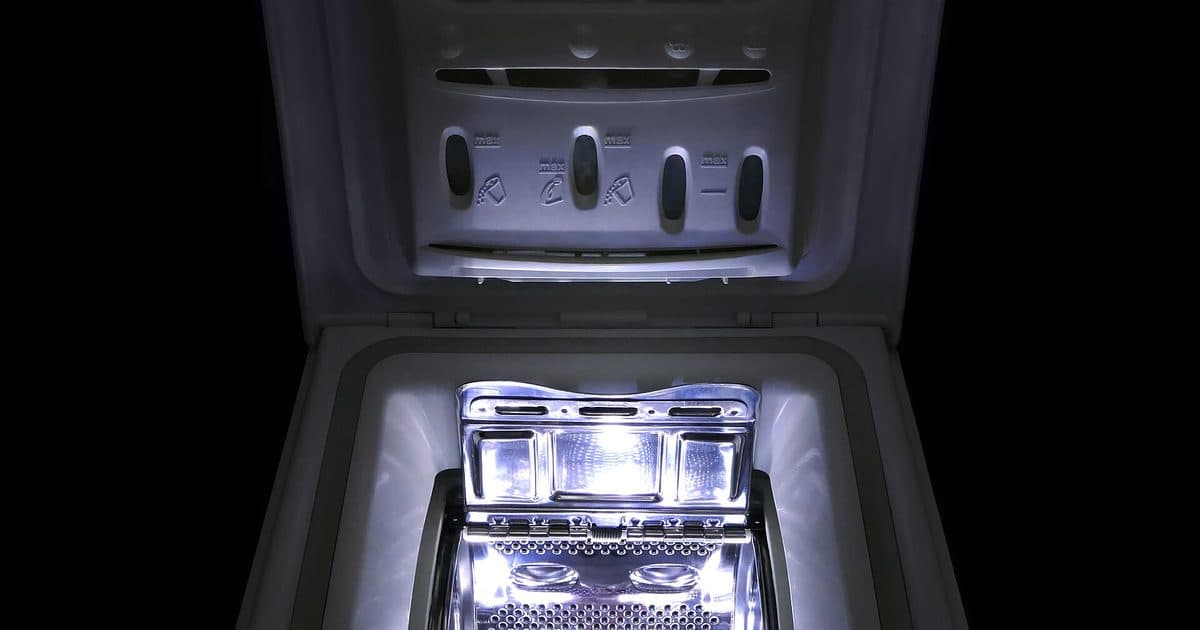
- Washing machine drum cleaning: run an empty hot cycle with a cup of vinegar in the drum once a month to clear detergent buildup and musty smells.
- Deodorizing fabric or carpets: a diluted vinegar spray (well-ventilated room, let it dry fully) neutralizes odors without leaving a strong scent once dry.
Where Vinegar Can Do Real Damage
- Natural stone (marble, granite, limestone, travertine): the acid etches the surface almost immediately, leaving dull spots that don't buff out. If your countertops or floors are natural stone, skip vinegar entirely.
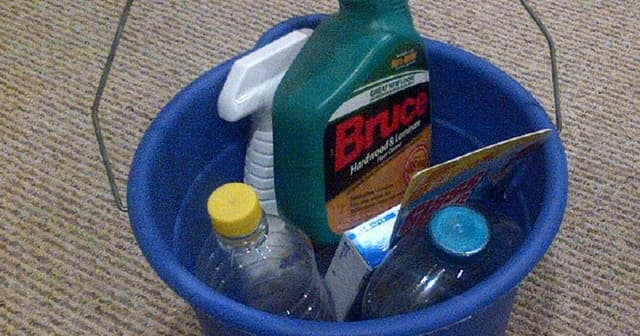
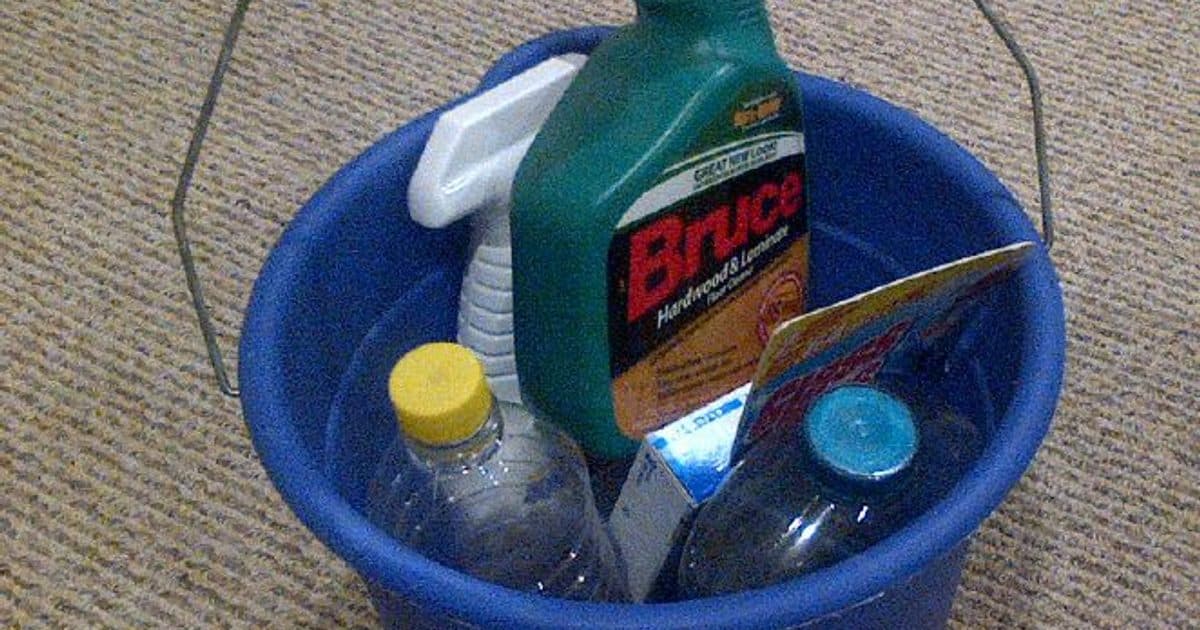
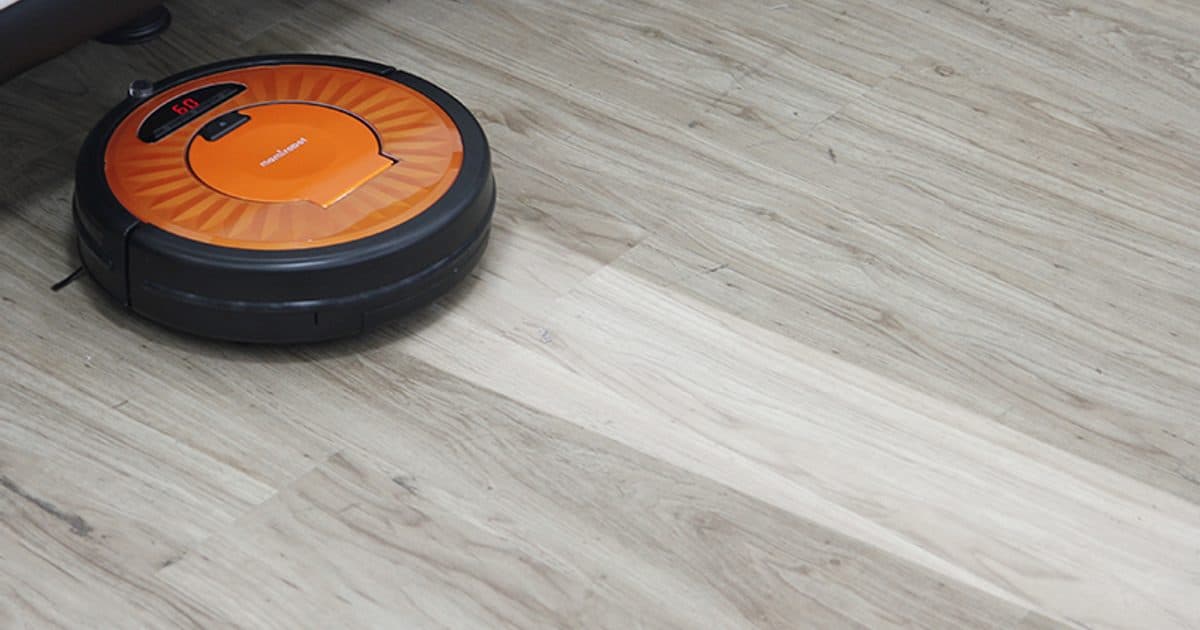
- Hardwood floors: repeated vinegar use strips the finish over time, leaving wood looking cloudy and more prone to water damage.
- Cast iron pans: acid breaks down seasoning and can trigger rust.
- Electronic screens and touchscreens: vinegar can degrade anti-glare or oleophobic coatings on phones, tablets, and some monitors.
- Grout (in some cases): unsealed grout can absorb the acid and weaken over repeated exposure, even though it's fine for occasional light cleaning.
- Mixed with bleach: this combination releases chlorine gas, which is genuinely dangerous in an enclosed bathroom. Never combine the two, even if both are "just cleaning products."
- Rubber seals and hoses: on washing machine gaskets or dishwasher hoses, frequent undiluted vinegar exposure can make rubber brittle faster than normal wear.
A Quick Decision Checklist
- Is the surface stone, waxed wood, or cast iron? If yes, don't use vinegar.
- Are you mixing it with bleach or ammonia-based products? Never — ventilate and use one product at a time.
- Is it glass, tile, stainless steel, or plastic? Vinegar is generally safe here.
- Always dilute for fabrics and softer surfaces, and test on a hidden spot first if you're unsure.
- Rinse with plain water afterward on food-contact surfaces to clear residual acid and smell.
What to Use Instead for Sensitive Surfaces
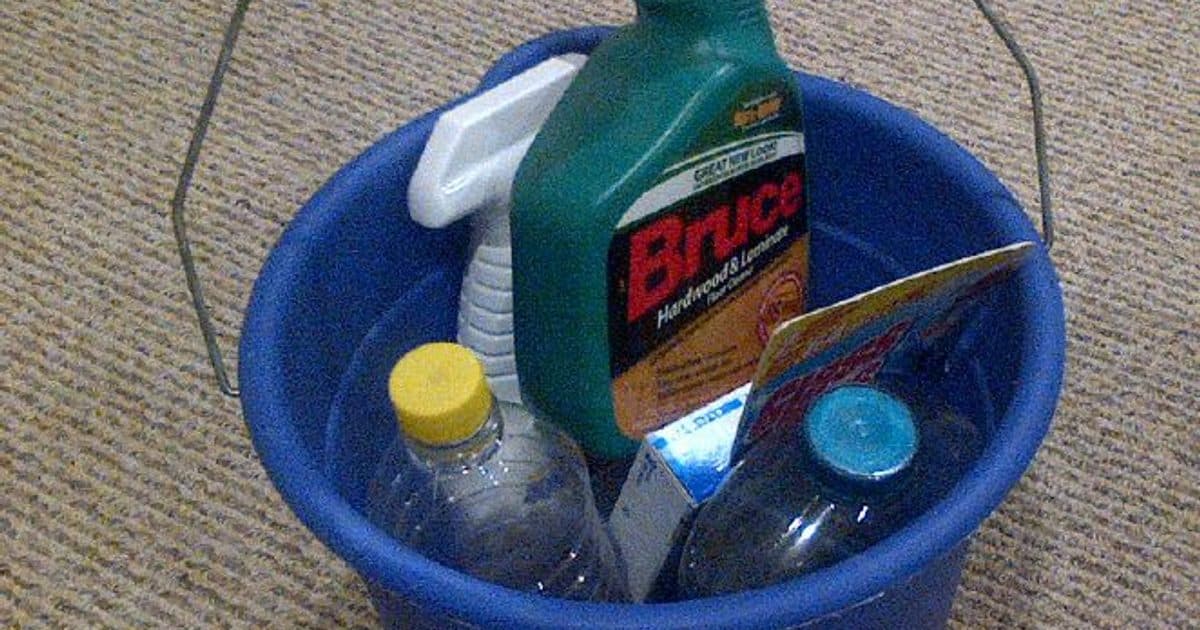
For natural stone, a pH-neutral stone cleaner is the safer bet. For hardwood, a manufacturer-recommended wood cleaner protects the finish instead of stripping it. Cast iron just needs hot water, a stiff brush, and occasional reseasoning with oil — no acid required. These small substitutions prevent the kind of damage that's expensive or impossible to reverse.
The Bottom Line
Vinegar earns its reputation for a reason — it's a strong, low-cost tool against limescale, grease, and glass streaks. But treating it as a universal cleaner is how countertops get etched and floors lose their shine. Match the product to the surface, and vinegar stays a helpful part of your routine instead of a costly mistake.
Prefer to Skip the Guesswork?
If you'd rather leave surface-specific cleaning to people who do it daily, CleanWhale's teams in Vilnius know exactly which products belong on which materials — and which ones to avoid. Book a session through Apartment cleaning and let your home get the right treatment, not just a quick wipe-down.


CleanWhale —Your Trusted Home Helper
















We work in 15 countries,
848 cities