How to Remove Mold from Bathroom Tile Grout
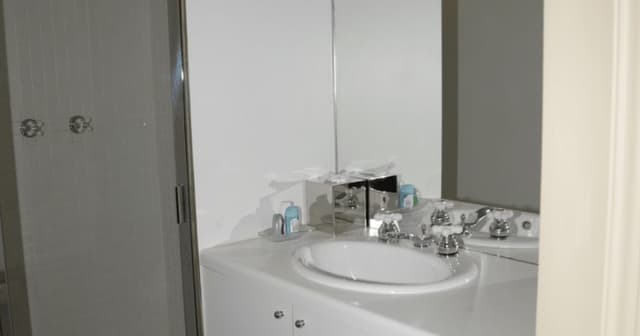
Why mold loves your bathroom grout
Grout is porous, unsealed in most older apartments, and sits right where water, soap residue, and warm air collect. In Vilnius, where many bathrooms have limited ventilation and winters mean closed windows for months, that combination is almost a guarantee for black mold between tiles — especially around the bathtub, shower tray, and lower wall sections. Once mold gets into the grout, it doesn't just sit on the surface; it grows roots into the material, which is why wiping it with a regular sponge never actually solves the problem.
What actually removes mold from grout
Surface cleaning isn't enough — you need something that penetrates the grout and kills the spores, not just bleaches the color. Here's a method that works on most residential bathrooms:
- Ventilate first. Open a window or turn on the extractor fan. Mold removal products release fumes you shouldn't breathe in a closed space.
- Dry-brush the area. Use an old toothbrush to knock off loose mold and surface debris before applying anything wet — this stops you diluting your cleaner into a layer of grime.
- Apply a chlorine-based gel or thick bleach solution directly onto the grout lines. Gel formulas cling to vertical and horizontal joints better than sprays, which just run off. If using liquid bleach, mix 1 part bleach to 3 parts water and apply with a small brush, not a sponge.
- Let it sit for 10–15 minutes. This is the step most people skip. Mold needs time to be killed at the root, not just discolored.
- Scrub with a stiff-bristled brush — a grout brush or old toothbrush — working along the joint lines, not across them.
- Rinse thoroughly with hot water and dry the area with a towel immediately. Leftover moisture restarts the cycle within days.
- Repeat after 24 hours if staining remains. Deep-set mold in unsealed grout sometimes needs two treatments.
Natural alternatives (if you want to avoid chlorine)
- Baking soda + white vinegar paste: apply baking soda first, then spray white vinegar over it. The reaction helps lift mold from porous grout. Less effective on heavy, established mold but fine for maintenance.
- Hydrogen peroxide (3%): spray directly, leave for 10 minutes, scrub. Good middle ground between bleach and vinegar — kills mold without the strong smell.
- Undiluted white vinegar alone: works for light, early-stage mold but won't touch an established black stain.
Stopping it from coming back
Removing mold once is only half the job — grout without protection will mold again within weeks if conditions don't change.
- Seal the grout with a silicone-based grout sealer once it's completely clean and dry. This fills the porous surface so moisture and spores can't settle in as easily. Reapply every 6–12 months.
- Run the extractor fan for at least 20 minutes after every shower, or leave a window cracked if you have one. Humidity is the main driver of regrowth.
- Squeegee the tiles after showering — a 30-second habit that removes most of the standing water mold needs to grow.
- Replace cracked or discolored silicone sealant around the bathtub and shower tray. Mold often hides underneath it where you can't scrub.
- Wash bath mats and shower curtains regularly — they trap moisture against the wall and floor, feeding mold growth nearby.
When to consider professional help
If mold keeps returning within a few weeks despite cleaning and ventilation, or if it's spread across a large area of grout, it may be worth having a thorough professional clean rather than repeating the same manual scrub every month. This is especially true in rented Vilnius apartments where ventilation systems are older and tenants can't always fix the root humidity issue themselves.
Wrap-up
Grout mold is persistent because it grows into the material, not just on top of it — so the fix has to go deeper too: proper contact time, the right cleaning agent, sealing afterward, and better daily habits around moisture. Done consistently, this keeps most bathrooms mold-free for months at a time.
Need a deeper clean?
If scrubbing grout isn't how you want to spend your weekend, CleanWhale's Dry Cleaning service in Vilnius can take care of the detailed bathroom work for you, including tile and grout areas that need extra attention.



CleanWhale —Your Trusted Home Helper
















We work in 16 countries,
849 cities