How to Clean Your Kitchen Extractor Hood and Filters
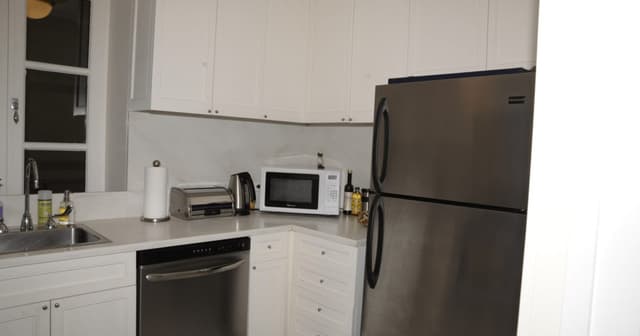
Why your extractor hood needs more than a quick wipe
If your kitchen hood has started humming louder than usual, pulling air weakly, or leaving a faint fried-food smell in the room long after you've cooked, the culprit is almost always a clogged filter. Grease doesn't just sit on the surface — it builds up in layers inside the mesh or honeycomb filter, gradually blocking airflow and forcing the motor to work harder. Left long enough, that same grease can bake onto the housing and fan blades, where it's much harder to remove and can become a fire risk near an open flame or hot burner.
The good news is that cleaning a hood properly doesn't require special equipment — just the right method and a bit of patience with the degreasing step.
How often you actually need to do this
- Mesh/aluminum grease filters: wash every 2-4 weeks if you cook daily, especially with oil or fried food.
- Charcoal/carbon filters (in recirculating hoods): these can't be washed — replace every 3-6 months depending on use.
- Housing and exterior: wipe down weekly to prevent grease from hardening.
- Fan blades and interior: deep clean every 2-3 months.
Step 1: Remove the filters safely
Turn off the hood and unplug it, or switch off the breaker if it's hardwired. Most mesh filters simply slide out or release with a small latch or spring clip underneath the hood — check your manual if you're unsure, since forcing a filter can snap the plastic tabs.
Step 2: Degrease the filters
The most effective and cheapest method is a hot-water soak with degreaser:
- Fill a sink or large basin with water as hot as your tap allows.
- Add 2-3 tablespoons of baking soda per liter of water, or a few squirts of dish soap plus a splash of white vinegar.
- Submerge the filters fully and let them soak for 15-30 minutes. For heavy, sticky buildup, soak up to an hour.
- Scrub gently with a non-abrasive brush (an old toothbrush works well for mesh corners).
- Rinse thoroughly under hot water and let air-dry completely before reinstalling — a damp filter attracts dust and can affect motor performance.
For aluminum filters with very stubborn grease, a short wash in the dishwasher on a hot cycle (no drying heat) works too, as long as the manufacturer doesn't advise against it.
Step 3: Clean the hood's interior and housing
With the filters out, you'll likely see grease residue on the inner metal surface and around the fan opening. Use a cloth dampened with warm water and dish soap, or a degreasing spray, and wipe down:
- The inside of the hood where the filter sits
- The lip and edges around the fan housing
- The light cover and bulb area, if accessible
Avoid spraying liquid directly into the motor housing or electrical components — apply cleaner to the cloth, not the surface, when working near the fan.
Step 4: Wipe the exterior and control panel
Stainless steel surfaces respond well to a microfiber cloth with warm soapy water, followed by a dry cloth to prevent streaking. For a brushed-steel finish, always wipe in the direction of the grain. Control panels and touch buttons should only be cleaned with a barely damp cloth — never spray cleaner directly onto buttons or displays.
What to avoid
- Abrasive scouring pads or steel wool, which scratch stainless steel and strip aluminum coatings.
- Bleach-based cleaners on aluminum filters — they can cause discoloration and pitting.
- Reinstalling filters while still wet.
- Letting grease buildup go untreated for months — it gets exponentially harder to remove and raises fire risk.
Keeping it cleaner for longer
A quick wipe of the hood's exterior after each cooking session, and rinsing the filter under hot water once a week if you fry often, dramatically reduces how much scrubbing you'll need later. Running the hood on its highest setting while cooking also helps push grease into the filter rather than letting it settle on the housing.
When it's worth calling in help
A heavily neglected hood — one that hasn't been cleaned in six months or more — can take a lot longer to restore than a quick weekend job, especially if grease has hardened on the fan blades or seeped into vents. If you'd rather have this handled as part of a broader kitchen clean, CleanWhale's teams in Vilnius take care of exactly this kind of detailed degreasing as part of a full apartment cleaning, along with the rest of the kitchen, so you don't have to tackle it filter by filter yourself.
Book a cleaning through Apartment cleaning in Vilnius and let someone else handle the grease.

CleanWhale —Your Trusted Home Helper
















We work in 15 countries,
848 cities