How to Remove Grease from Kitchen Cabinets
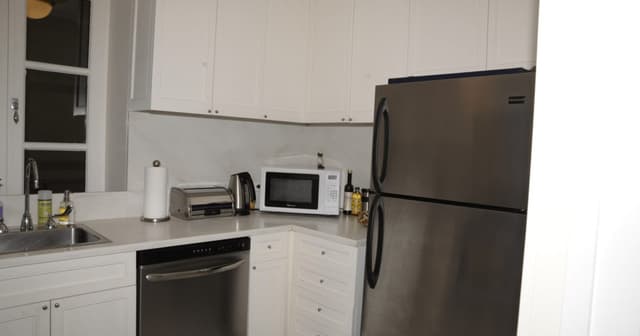
Why kitchen cabinets get sticky so fast
If you cook regularly, the cabinets right above and beside your stove develop a thin, sticky film within weeks. It's not dirt in the usual sense — it's airborne cooking oil that lands on the surface, mixes with dust, and hardens into a layer that feels tacky to the touch and gets darker over time. In smaller Vilnius kitchens, where cabinets sit close to the hob, this buildup happens faster than people expect, especially if there's no range hood or it's rarely used.
The tricky part is that grease doesn't respond to plain water or a damp cloth. You need something that actually breaks down fat molecules, and the right approach depends on what your cabinets are made of.
Check your cabinet surface first
Before grabbing any cleaner, figure out what you're dealing with:
- Laminate or melamine — the most common and most forgiving; handles degreasers and some scrubbing well.
- Painted MDF — durable but can lose sheen or chip if scrubbed too hard or exposed to strong solvents.
- Solid wood or veneer — needs gentler treatment; harsh chemicals and excess water can damage the finish.
- High-gloss acrylic — shows streaks and scratches easily, so use soft cloths only.
Step-by-step: removing grease buildup
- Dry-wipe first. Use a dry microfiber cloth to remove loose dust and crumbs so you're not rubbing grit into the grease layer.
- Mix a degreasing solution. For most surfaces, warm water with a few drops of dish soap works for light grease. For heavier buildup, mix equal parts warm water and white vinegar, or use baking soda paste (3 parts baking soda to 1 part water) for stubborn spots.
- Apply and let it sit. Spray or wipe the solution on, then leave it for 2-3 minutes. This gives the solution time to soften the grease instead of just smearing it around.
- Wipe in one direction. Use a microfiber cloth and wipe along the grain (for wood) or in straight lines (for laminate/painted surfaces) rather than circular motions, which can push grease into seams and handles.
- Rinse with a clean, damp cloth. Any soap or vinegar residue left behind will attract dust again quickly, so go over the surface a second time with plain water.
- Dry immediately. Standing water is the enemy of wood and MDF cabinets — always finish with a dry cloth, especially around edges and joints.
For really stubborn, hardened grease
- Make a thicker baking soda paste and let it sit for 10-15 minutes before wiping — this works well on handles and corners where grease pools and hardens.
- A soft-bristled toothbrush helps get into grooves, hinges, and handle bases without scratching the surface.
- Avoid abrasive scouring pads on painted or glossy cabinets — they strip the finish faster than they remove the grease.
- If a commercial degreaser is used, test it on an inconspicuous spot first (inside a cabinet door) to check it doesn't dull or discolor the finish.
Preventing grease buildup between cleans
- Use the range hood every time you fry or sauté, even for quick meals.
- Wipe cabinet fronts near the stove once a week with a damp cloth — a 30-second habit saves a 30-minute scrub later.
- Keep a lid on pans when possible; this alone cuts airborne grease significantly.
- Clean handles and pulls separately, since they collect grease from hands as well as air.
The bottom line
Grease on kitchen cabinets builds up gradually and is easiest to manage with short, regular wipe-downs rather than waiting for a deep clean. Match your cleaning method to the cabinet surface, give the solution time to work before wiping, and always finish with a dry pass to avoid moisture damage. Done this way, even heavily used Vilnius kitchens can stay grease-free without harsh scrubbing.
If your kitchen needs more than a quick wipe-down — or you'd simply rather hand it off — CleanWhale's apartment cleaning service in Vilnius covers kitchen cabinets, surfaces, and everything else that builds up between cleans. Pricing is calculated per order based on your home, with no guesswork involved.



CleanWhale —Your Trusted Home Helper
















We work in 16 countries,
849 cities